Essential Tips for Choosing the Best Long Distance Movers Successfully

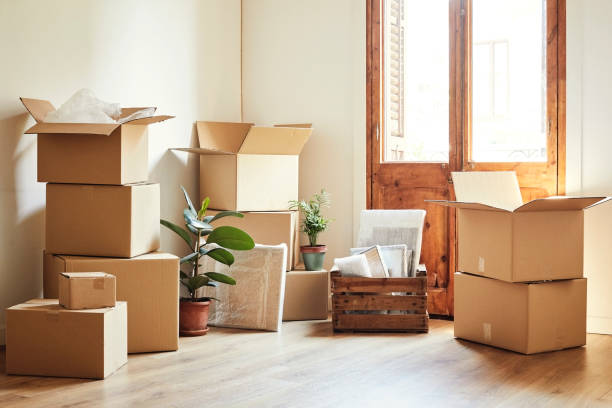
Moving boxes and potted plants at new apartment Cardboard boxes and potted plants in empty room. Moving objects are on hardwood floor of new apartment. packing boxes for move stock pictures, royalty-free photos & images

Moving to a new state is a life-changing experience, but it can also be overwhelming without proper planning. Following these essential tips can help you manage the process efficiently and ensure a smooth transition.

Plan Ahead

  • Start Early: Begin your planning at least 2–3 months before your moving date.
  • Set a Budget: Estimate your overall moving costs, including movers, packing supplies, and travel expenses.
  • Research Your New Location: Learn about housing options, cost of living, schools, job opportunities, and local amenities in your new state.

Hire Professional Movers

  • Look for reputable interstate moving companies with good reviews and proper licensing.
  • Always compare quotes from at least three different movers to find the best deal.
  • Verify the company’s USDOT (U. S. Department of Transportation) number to ensure legitimacy.

Declutter Before Packing

  • Go through each room in your house and decide what to keep, donate, sell, or discard.
  • Use this move as an opportunity to get rid of items you no longer need or use regularly.

Organize Your Packing Process

  1. Create an Inventory List: Document all belongings you plan to take with you. This will also be helpful for insurance purposes.
  2. Pack Room by Room: Focus on one room at a time to stay organized. Label boxes clearly with their contents and destination room in the new home.
  3. Use Quality Packing Supplies: Invest in sturdy boxes, packing tape, bubble wrap, and furniture covers for added protection.

Notify Relevant Parties Early

Make sure important organizations and contacts are informed about your move well in advance: – Update your address with the U. S Postal Service (USPS).
– Notify utility providers (electricity, gas, water) about disconnections or transfers. – Inform banks, insurance providers, subscription services, and healthcare providers about your address change.

Pack an Essentials Box

Prepare a box containing items you’ll need immediately upon arrival: – Toiletries – Medications – Basic cooking supplies – Change of clothes

Handle Legal & Administrative Tasks

Relocating across state lines often involves some legal work: – Update your driver’s license after moving—it’s required within 30 days in most states. – Register your vehicle and update its insurance if applicable. – Check voter registration requirements in your new state.

Manage Moving Day Efficiently

On moving day: 1. Inspect the moving truck before allowing movers to load items. 2. Keep important documents like passports and contracts with you instead of sending them with movers. 3. Take photos of valuable items as proof of condition before transportation.

Task Timeline Recommendation
Research new location 2–3 months prior
Hire movers 6–8 weeks prior
Declutter & donate 5 weeks prior
Start packing 4 weeks prior
Notify service providers 3 weeks prior

By following these steps diligently and staying organized throughout the process, transitioning to another state can feel far less daunting than it initially seems—turning what might have been stressful into an exciting fresh start instead.

The Benefits of Hiring Cross Country Movers for Your Relocation

When planning an interstate move, one of the most crucial decisions you’ll make is whether to handle the move yourself or hire professional movers. While a do-it-yourself (DIY) approach may seem cost-effective at first glance, there are several risks and challenges associated with managing such a significant task on your own. Hiring professional interstate movers can save you time, reduce stress, and ensure your belongings are transported safely and efficiently.

The Risks of a DIY Interstate Move

  1. Lifting and moving heavy furniture or boxes can cause physical injuries, especially if proper equipment or techniques aren’t used.
  2. Without professional training, injuries like back strain, sprains, or accidents are more likely.
  3. DIY moves often result in scratched floors, damaged doorframes, or broken furniture due to improper handling.
  4. Lack of experience in packing fragile items can lead to breakages during transit.
  5. Coordinating transportation logistics over long distances can be complicated for someone without prior experience.
  6. Issues like securing permits for oversized vehicles or managing unexpected weather conditions can add unnecessary stress.
  7. While DIY might seem cheaper upfront, costs for truck rental, fuel, insurance coverage, packing materials, lodging during the trip, and potential repairs for damages could quickly add up.

Benefits of Hiring Professional Interstate Movers

  1. Professional movers have extensive experience in handling interstate relocations efficiently.
  2. They use specialized equipment and techniques to pack your belongings securely and transport them without damage.
  3. Moving companies handle labor-intensive tasks such as packing, loading, unloading, and unpacking.
  4. This allows you to focus on other priorities like settling into your new home or completing necessary paperwork for the move.
  5. Reputable moving companies offer insurance options that protect your belongings during transit.
  6. In case of any damage or loss during the move, you have financial security through their coverage policies.
  7. Trained professionals know how to safely transport delicate items such as glassware or electronics as well as bulky furniture pieces.
  8. They reduce the risk of accidents that could occur with inexperienced handling.

Factors That Make Professional Movers Worth It

Aspect DIY Move Professional Movers
Cost Unpredictable with hidden fees Transparent pricing with estimates
Time Required Significant due to coordination Minimal—handled by experts
Risk of Damage High Low
Stress Level Elevated Significantly reduced

Choosing the Right Moving Company

  • Research multiple companies for reviews and ratings from previous customers.
  • Verify that they are licensed with the U. S. Department of Transportation (DOT). Check their DOT number online if necessary.
  • Request detailed quotes that outline all costs upfront to avoid surprises later.
  • Ask about additional services such as packing assistance or storage options if needed.

By hiring professional movers instead of opting for a DIY approach, you mitigate risks while ensuring a smoother transition during this life-changing event. When it comes to something as important as relocating across state lines with your possessions in tow—experience matters significantly in achieving peace of mind throughout the process.
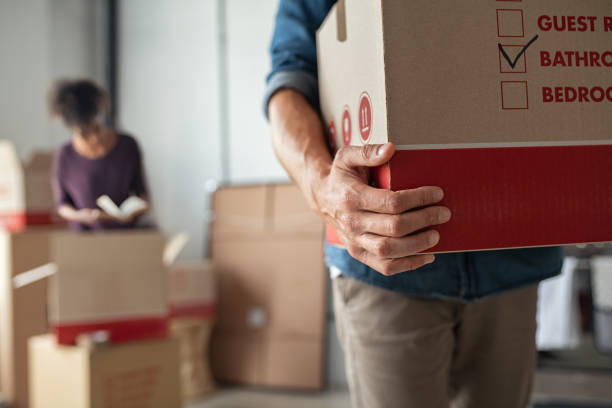
Hands holding cardboard box during relocation Closeup of man hand holding cardboard at new home. Young man unpacking boxes in new apartment. Man hand carrying carton box while relocating with his girlfriend. packing boxes for move stock pictures, royalty-free photos & images

The Benefits of Hiring Interstate Movers for Your Next Big Move

Relocating to another state can be a monumental task, one that requires careful planning and execution. While the idea of a do-it-yourself (DIY) move might seem cost-effective at first glance, it often comes with hidden risks and challenges that can outweigh the potential savings. Hiring professional interstate movers can help mitigate issues while ensuring a smoother and more efficient transition. Below, we explore why relying on experts matters when it comes to interstate moves.

The Risks of DIY Interstate Moves

When planning an interstate move on your own, you may face several unforeseen hurdles that can complicate the process.

  • Inadequate Packing Skills: Packing for long-distance travel requires expertise in securing fragile items, using proper materials, and maximizing space in moving vehicles.
  • Time Wastage: A DIY move often takes significantly longer due to lack of experience and limited resources.
  • Hidden Costs: While renting a truck may seem cheaper upfront, additional costs such as fuel, tolls, lodging during travel, and insurance for your belongings can quickly add up.

Benefits of Hiring Professional Interstate Movers

Professional movers bring specialized skills and services designed specifically for long-distance relocations.

  1. Trained professionals know how to handle delicate items like electronics, artwork, antiques, or bulky furniture.
  2. They are familiar with navigating logistical challenges like interstate regulations or tight delivery timelines.
  3. With a team of movers handling packing, loading, transportation, and unloading tasks simultaneously, the process is much faster compared to doing everything yourself.
  4. Movers also optimize truck space more effectively than most people would on their own.
  5. Professionals use high-quality packing materials such as bubble wrap, moving blankets, and reinforced boxes to protect valuables during transit.
  6. Trucks come equipped with straps, dollies, lifts, etc. , which ensure safe handling of large or awkwardly shaped items.
  7. Reputable moving companies offer insurance options for your belongings so you’re financially protected against damage or loss during transport.
  8. By delegating time-intensive tasks to professionals—such as packing meticulously or driving cross-country—you have more time to focus on personal matters like setting up utilities at your new home.

Cost Comparison: DIY vs Professional Movers

Expense Type DIY Move Estimate Professional Movers Estimate
Rental Truck/Trailer $1,000–$2,500 Included in quote
Fuel Costs $300–$800 Included in quote
Lodging During Travel $200–$600 Not applicable
Insurance for Belongings $50–$200 Often included
Equipment Rental (dollies) $50–$100 Provided by movers
Approximate Total $1,600–$4,200 Varies ($2K–$6K)

Though hiring professional movers may appear slightly more expensive upfront depending on distance and service level required (partial vs full-service), it eliminates many additional costs associated with DIY attempts while minimizing risk.

Choosing the Right Moving Company

Not all moving companies are created equal; selecting the right one is essential for ensuring quality service.

  • Licensing: Look for USDOT (U. S. Department of Transportation) registration.
  • Reviews: Read reviews online or ask for recommendations from friends/family.
  • Transparent Pricing: Opt for companies offering detailed quotes without hidden fees.
  • Services Offered: Check if they provide optional services such as storage solutions or unpacking assistance.

By hiring professionals instead of taking the DIY approach for your next state-to-state move—whether across hundreds of miles or just a few cities—you’ll save significant time while safeguarding your possessions against common risks associated with long-distance relocation efforts.

Tips for Saving Money When Hiring a Long Distance Moving Company

Moving from one state to another can be an expensive undertaking, but with careful planning and thoughtful decision-making, you can significantly reduce your moving costs. Here are some practical tips to help you save money during your interstate move.

Plan Ahead and Book Early

One of the most effective ways to cut costs is to plan your move well in advance:
Early booking discounts:Many moving companies offer discounts for early bookings.
Flexible scheduling:Avoid peak moving seasons or weekends when prices tend to be higher. Moving during the off-season, such as late fall or winter, often results in lower rates.

Declutter Before You Move

The cost of an interstate move is often based on the weight or volume of your belongings. Reducing what you take with you can lower these costs.
Sell unwanted items:Host a garage sale or use online marketplaces like Craigslist or Facebook Marketplace.
Donate items:Give gently used clothing, furniture, and household goods to local charities.
Recycle:Dispose of items that are no longer functional through recycling programs.

Compare Moving Quotes

Obtain quotes from multiple moving companies and compare their services and pricing:
| Feature | Company A | Company B | Company C |
|—————————-|————|————|————|
| Cost Estimate | $3,000 | $2,800 | $3,200 |
| Insurance Coverage | Included | Extra Fee | Included |
| Packing Services | Available | Available | Not Offered |

Make sure the quotes are itemized so you understand what each charge covers.

Pack Strategically Yourself

While hiring professional packers is convenient, doing it yourself can save money:
Use free materials:Collect free boxes from local grocery stores or community groups instead of purchasing them.Wrap with household items:Use towels, blankets, or clothing as padding for fragile items rather than spending on bubble wrap.Label boxes properly:This reduces the time movers spend figuring out where things go at your new home.

Consider a Moving Container Service

Instead of hiring full-service movers, look into portable storage container services (e. g.
– You pack the container yourself at your own pace. – The company handles transportation. This hybrid option is usually more affordable than traditional full-service moves.

Time Your Utility Shut-Off/Start-Up Dates Carefully

Avoid overlapping utility payments by scheduling shut-off dates at your current home and start-up dates at your new residence appropriately:
– Cancel utility services (electricity, gas, water) the day after you leave. – Start utility services at your new home a day before arrival.

Look Into Tax Deductions for Moving Expenses

Depending on where you’re relocating and why (e. g. , for work), you may qualify for tax deductions related to moving expenses. Consult with a tax professional to ensure you’re taking advantage of any deductions available.

By following these strategies, you’ll be better equipped to manage costs during your interstate move while ensuring a smooth transition.

A Complete Checklist of What to Do When Moving from One State to Another

Relocating to a new state can be both exciting and challenging. Proper planning is crucial to ensure a smooth transition. Below is a comprehensive checklist designed to help you manage your interstate move efficiently and minimize stress.

1.Plan Your Move in Advance

Start preparing for your move as early as possible. This allows you ample time to handle all aspects without feeling overwhelmed.
Create a Timeline:Set milestones for tasks like hiring movers, packing, and notifying service providers.
Research Movers:Look for reliable interstate movers by reading reviews, obtaining quotes, and checking credentials like USDOT numbers or certifications from the American Moving & Storage Association (AMSA).
Budget:Establish a moving budget that includes packing supplies, moving services, travel expenses, and contingency funds.

2.Organize Important Documents

Ensure that all essential paperwork is updated and easily accessible:
– Driver’s license and vehicle registration (update once you’ve moved).
– Medical records and prescriptions.
– School transcripts if moving with children.
– Lease agreements or property purchase documents for your new home.

3.Declutter Your Belongings

Interstate moves are based on weight or cubic footage, meaning fewer items can save you money.
Sort by Category:Divide items into “keep,” “donate,” “sell,” or “discard”.
– Host a garage sale or use online platforms like Facebook Marketplace to sell unwanted items. – Donate gently used clothing or furniture to local charities.

4.Notify Relevant Parties

Ensure all necessary people and organizations are aware of your move:
| Who To Notify | When | How |
|——————————-|———————-|—————————————|
| Utility Providers | 2–3 weeks prior | Call or update online accounts |
| Post Office | At least 2 weeks | Submit an address change form |
| Banks/Credit Card Companies | Before the move | Update contact info via online portal|
| Insurance Providers | Prioritize early | Notify of address changes |

5.Prepare Your New Home

Before arriving at your new residence, make sure it’s ready for occupancy:
– Confirm utility services are activated before moving in (electricity, water, internet).
– Schedule a deep clean if needed prior to moving day. – Check major appliances if already installed—test functionality after arrival.

6.Pack Strategically

Packing efficiently reduces stress during unpacking later on: – Start with non-essential items (e. g. , seasonal décor). – Label each box clearly with its contents and destination room. – Use colored tape or labels for easier identification during unloading. – Keep essential items such as toiletries, chargers, basic kitchenware in a separate “first-night” box.

7.Hire Interstate Movers Wisely

Professional movers simplify long-distance relocations but vetting them is key: – Request multiple in-home estimates rather than settling on phone/email quotes. – Verify the mover has proper licenses through FMCSA’s website. – Ask about additional fees like fuel surcharges or long-carry fees upfront.
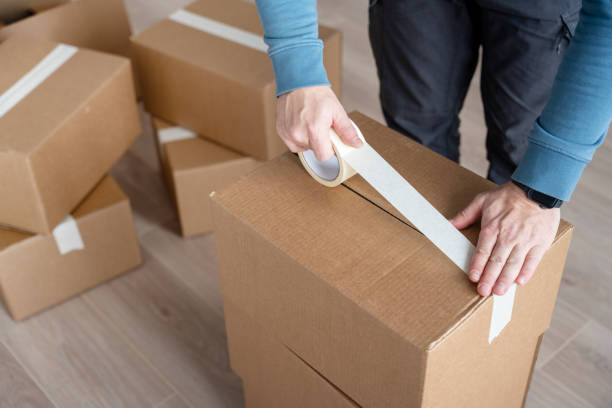
A man uses adhesive tape to packing cardboard box. Moving home concept A man uses adhesive tape to packing cardboard box. Moving home concept packing boxes for move stock pictures, royalty-free photos & images

How Much Do Interstate Movers Cost?

When planning a move across state lines, one of the most critical considerations is understanding the cost associated with hiring interstate movers. The price can vary significantly based on multiple factors, and being aware of these can help you budget effectively. Below is an in-depth look at the key elements that influence the cost of interstate movers.

Factors That Influence Interstate Moving Costs

  1. Distance Between Locations
    The distance between your current residence and your new home is one of the most significant pricing variables. Longer distances typically result in higher fuel costs, labor expenses, and time requirements for movers.
  2. Volume and Weight of Items
    Moving companies often price their services based on the total weight or volume of your belongings. A household with larger amounts of furniture, appliances, or heavy items will naturally incur higher costs compared to a smaller load.
  3. Full-Service Move:If you opt for packing, loading, transportation, unloading, and unpacking services, expect to pay more.
  4. Partial Service:Choosing only transportation services or handling packing yourself may reduce costs.
  5. Seasonal Demand
    Peak moving seasons—typically summer months—result in higher demand for movers and increased prices. If possible, schedule a move during off-peak times to save money.
  6. Additional Services
    Consider any extra services you might require:
  7. Storage solutions
  8. Specialty item handling (e. g.
  9. Packing materials (e. g.
  10. Insurance Coverage
    Many companies offer basic insurance coverage with their quotes; however, full-value protection will increase the overall price.
  11. Accessibility Challenges
    If either location has narrow streets or lacks convenient access points (e. g. , elevators), additional charges may be applied for added effort by movers.

Average Costs for Interstate Moves

Move Size Average Cost Range Approximate Distance Covered
Studio/1-bedroom $1,500 – $3,000 500 – 1,000 miles
2–3 bedrooms $3,500 – $5,000 1,000 – 1,500 miles
4+ bedrooms $6,000+ Over 2,000 miles

Note:These are general estimates; actual costs vary depending on specific circumstances.

Tips to Manage Costs Effectively

  • Declutter Before Moving:Donate or sell unnecessary items to reduce total weight.
  • Get Multiple Quotes:Compare prices from at least three different companies.
  • Opt for Flexible Timelines:Being open to alternative moving dates could lower costs.
  • Verify Company Credentials:Choose licensed and insured movers to avoid unplanned expenses due to damage or fraud.
  • Understand What’s Included:Ensure that your quote outlines all potential charges like fuel surcharges or packing materials.

By understanding these variables and strategizing accordingly—you can better prepare financially while ensuring a smooth relocation process across state lines.

Discover the Benefits of Hiring an Interstate Moving Company for Your State-to-State Move

Relocating to a different state can be a daunting task. With proper planning, organization, and decision-making, however, you can streamline the process and make your interstate move as smooth as possible. Below are some key steps, strategies, and tips to ensure the most efficient approach to moving from one state to another.

Plan Your Move Early

Starting early allows you ample time to prepare without last-minute stress.

  • Create a timeline:List all tasks that need completion before moving day, such as decluttering, scheduling movers, and transferring utilities.
  • Research your new location:Familiarize yourself with neighborhood options, schools (if applicable), local amenities, and transportation routes.
  • Book professional movers in advance:Hiring a reputable interstate moving company ensures availability for your preferred dates.

Declutter Before You Pack

One of the best ways to make your move easier is by reducing the number of items you take with you. A lighter load saves both time and money.

  1. Sort belongings:Separate items into categories like keep, donate, sell, or discard.
  2. Host a garage sale or sell online:Websites like Facebook Marketplace or eBay are great platforms for selling unwanted valuables.
  3. Donate gently-used goods:Consider donating clothes or furniture to charity organizations like Goodwill or Salvation Army.

Hire Professional Interstate Movers

Professional movers play an essential role in ensuring an efficient state-to-state relocation. Experts bring experience and resources that eliminate much of the hassle associated with moving.

Benefits of hiring professionals include: – Safe packing using proper materials – Efficient loading/unloading of heavy furniture – Insurance coverage for damages during transit – Timely delivery of your belongings

When selecting a company: – Compare quotes from multiple providers – Verify licenses (Interstate moving companies should have USDOT numbers) – Check online reviews for credibility

Use Efficient Packing Strategies

Packing can be overwhelming without organization.

  1. Pack room by room:Focus on one area at a time rather than spreading efforts across multiple spaces.
  2. Label clearly:Write contents and their destination room on each box for easy unpacking.
  3. Use high-quality materials:Sturdy boxes and bubble wrap protect fragile items during long-distance moves.
  4. Create an essentials box:Include toiletries, medications, chargers, important documents, snacks—anything you’ll need immediately upon arrival.

Optimize Your Moving Budget

Expense Tips to Save Money
Professional Movers Compare estimates; avoid peak-season moves
Packing Supplies Use free boxes from local stores; reuse materials
Transportation Costs Consider consolidating shipments if using freight
Temporary Housing Search for discounts through travel or rental apps

Notify Essential Parties About Your Move

  1. Update your address with USPS for mail forwarding.
  2. Notify financial institutions (banks/credit card companies) about address changes.
  3. Transfer utilities like electricity/gas/internet at least two weeks before moving day.
  4. Update your driver’s license/address registration with the DMV in your new state.

Final Thoughts on Efficiency

Efficiency stems from thorough preparation backed by professional assistance when needed. By focusing on early planning, simplification through decluttering/purging unnecessary items before packing them safely alongside outsourcing labor-intensive segments via skilled pros where applicable=? , relocating becomes incrementally less overwhelming overall relative!


Key Things to Know About Hiring an Interstate Moving Company After Relocating to Your New Home

Move. Cardboard boxes and cleaning things for moving into a new home Empty room full of cardboard boxes and cleaning things for moving into a new home packing boxes for move stock pictures, royalty-free photos & images

Moving into a new home after an interstate relocation can be both exciting and overwhelming. While the process of unpacking and settling in takes time, focusing on key post-move tasks can ease the transition and help you feel more comfortable in your new space. Here’s a closer look at the essential things to do after moving to your new home.

Inspect Your New Home

Before fully unpacking, take some time to assess the condition of your new property. Whether it’s a rental or your own purchase, ensuring everything is in order is critical.

  • Check for damages: Look for issues such as leaks, cracks, or electrical malfunctions that may have occurred since the inspection (if applicable).
  • Verify appliances: Test major appliances like dishwashers, washing machines, and HVAC systems to confirm they’re operational.
  • Review safety features: Ensure smoke detectors, carbon monoxide detectors, and fire extinguishers are functioning properly.

A thorough inspection helps you identify any immediate repairs or adjustments needed before settling down fully.

Prioritize Unpacking Strategically

  1. Start with essentials: Focus on opening boxes containing items you’ll need daily—such as toiletries, kitchen supplies, clothing, and bedding.
  2. Room-by-room approach: Tackle one room at a time rather than scattering efforts across different areas.
  3. Organize as you go: Avoid clutter by organizing items in their designated spots immediately after unpacking.

Breaking down unpacking into smaller steps will help make the process more manageable.

Change Locks for Security

  • Change all exterior door locks or rekey them for peace of mind.
  • Test all windows and doors to make sure they close securely.
  • Consider installing smart locks or upgrading security systems if needed.

Investing in home security ensures that you have full control over who has access to your property.

Deep Clean Your Space

  • Sanitize kitchens and bathrooms thoroughly with disinfectants.
  • Dust ceilings, baseboards, vents, and light fixtures.
  • Steam-clean carpets or mop hard floors before arranging furniture.

Deep cleaning not only creates a comfortable environment but also eliminates any lingering dust from prior occupants or movers.

Familiarize Yourself with Utility Systems

Utility/System What to Check Action Steps
Water Shutoff Valve Locate it for emergencies Test it works properly
Circuit Breaker Panel Identify labeled switches Understand which controls each area
Thermostat Check heating/cooling settings Adjust preferences accordingly

Knowing these basics reduces stress when unexpected issues arise.

Meet Your Neighbors

  1. Introduce yourself: A simple hello goes a long way toward establishing rapport with neighbors.
  2. Attend neighborhood events: Local gatherings provide opportunities to get involved in community activities.
  3. Join online groups: Platforms like Facebook or Nextdoor connect residents virtually for updates about local happenings.

Creating strong connections fosters both social support systems and valuable local knowledge over time.

Being mindful of these initial steps will help set up an organized foundation as you adapt to life in your new home after an interstate move while reducing stress commonly associated with this transition phase.

Key Tips for Long Distance Movers to Manage Utilities and Services After a Move

Transitioning to a new home after an interstate move involves many logistical tasks, one of the most important being the management of utilities and essential services. Setting these up promptly ensures that your household operates smoothly from the moment you arrive. Below is a guide to help you navigate this process efficiently.

1. Create a Checklist of Necessary Utilities

Before moving, compile a list of essential utilities and services you’ll need at your new residence:
Electricity
Water and Sewage
Gas (if applicable)
Internet and Cable Services
Trash Collection and Recycling Services

Organizing this list in advance provides clarity on what needs to be addressed upon arrival.

2. Research Local Utility Providers

In many cases, utility providers vary depending on your location. Research local providers before moving so you can identify options for each service. Look into:
– Rates and pricing plans offered by different companies.
– Customer reviews for service reliability.
– Any special offers or incentives available for new customers.

Some areas may only have one provider per utility, so check any state or city-specific regulations regarding service availability.

3. Set Up Accounts Before Moving In

To avoid delays in accessing utilities, arrange accounts with providers before your move-in date:
– Contact each utility company early—ideally 2–3 weeks prior to relocating—to schedule activation dates.
– Provide them with your move-in date as well as any necessary documentation, such as proof of residence or identification documents.

Some services like electricity and water might require meter readings to ensure accurate billing from the start.

4. Cancel or Transfer Existing Accounts at Your Old Address

Service Type Action Required Notes
Electricity & Gas Request final reading & terminate account or transfer it to the new address Verify final bill cycle dates
Internet & Cable Notify provider about relocation; inquire about transferring equipment Return any rented modems/routers if applicable
Trash Collection Stop services at old address; set up collection at new property Check if trash pickup is managed by HOA

This step prevents unnecessary charges after you leave your previous home.

5. Test All Utilities Upon Arrival

Once you’ve moved in, verify that all utilities are functioning properly:
– Check light fixtures, outlets, and appliances connected to electricity.
– Test faucets and plumbing systems for water pressure issues or leaks. – Confirm internet speed meets expectations based on the plan selected.

If something isn’t working as expected, contact the service provider promptly for troubleshooting or repairs.

6. Monitor Your First Bills

Review initial bills carefully after setup is complete: – Ensure charges align with quoted rates. – Verify there are no unexpected fees related to installation or activation. – Reach out immediately if discrepancies arise in usage estimates versus actual consumption.

By taking these steps during your transition process, managing utilities becomes less stressful while helping avoid interruptions that can disrupt daily life in a new environment.

Finding Reliable Cross Country Movers: A Key Step After Your Interstate Move

Moving to a new state comes with numerous responsibilities, one of which is updating your address with the necessary institutions. Failing to update your address promptly can lead to missed correspondence, lapsed services, and even potential legal issues. Here’s a comprehensive guide to ensure this critical task is handled efficiently.

Why Updating Your Address Matters

Updating your address ensures uninterrupted services and compliance with state laws. Additionally, it prevents vital communications from being sent to your old address and protects sensitive information from falling into the wrong hands.

Where to Update Your Address

  1. USPS: Submit a change of address request through the United States Postal Service (USPS). This can be done online or in person.
  2. Department of Motor Vehicles (DMV): Update your driver’s license and vehicle registration within the timeframe required by your new state.
  3. Voter Registration: Update your voter registration details to ensure eligibility in future elections.
  4. Your bank or credit union
  5. Credit card providers
  6. Loan servicers (e.g., mortgage or student loans)
  7. Investment accounts and retirement plans
  8. Notify doctors, dentists, and specialists.
  9. Update hospitals or clinics where you may have ongoing medical records.
  10. Inform health insurance providers for accurate billing and coverage continuity.
  11. Electricity, gas, water, and internet providers should be notified promptly.
  12. Subscription services like streaming platforms or magazines need updated billing details.
  13. Inform your employer’s HR department for payroll adjustments.
  14. Notify educational institutions if you have children enrolled in school.
  15. Membership-based organizations such as gyms or professional associations.
  16. Online shopping accounts like Amazon or eBay for accurate delivery addresses.

Step-by-Step Guide to Changing Your Address

  1. Start with USPS by filing a Change of Address form: | Method | Details | |—————|——————————————-| | Online | Visit USPS Website | | In-Person | Visit any local post office |
  2. Create a checklist of all necessary updates based on the categories above.
    • Most changes can be made online using forms within account settings.
    • For official documents like licenses or voter registration, you may need to visit physical offices or mail paperwork.
    • Keep receipts or confirmation emails as proof that updates were processed.
    • Confirm whether mail redirection is functioning properly by checking if expected mail has arrived at your new home.

Tips for Staying Organized During This Process

  • Use spreadsheets or apps like Google Sheets to track completed updates versus pending ones.
  • Prioritize time-sensitive updates (e.g., DMV deadlines).
  • Safeguard personal information when submitting forms—ensure websites are secure (look for HTTPS).

By prioritizing this task early in the moving process, you’ll reduce stress while ensuring smooth transitions for all aspects of daily life in your new home state.

Boxes stacked on wooden floor of new house packing boxes for move stock pictures, royalty-free photos & images

Tips from Interstate Movers on Securing Your New Home After a Relocation

Relocating to a new home in a different state is an exciting milestone, but it also requires careful attention to security. Ensuring the safety of your new residence should be a top priority. Below, we outline key steps you can take to secure your home effectively after an interstate move.

1. Change the Locks and Secure Entry Points

One of the first tasks after moving is updating all locks in your new home. This includes exterior doors, windows, and even garage doors.

  • Hire a locksmith: A professional locksmith can replace or rekey all exterior door locks, ensuring no one else has access.
  • Upgrade locks: Consider upgrading to smart locks or deadbolts for added security.
  • Inspect windows: Ensure all windows are properly secured with functioning locks.

2. Install a Home Security System

A robust security system provides peace of mind and deters potential intruders.

  • Research options: Look into options such as monitored alarm systems, video doorbells, and motion detectors.
  • DIY vs Professional Installation: Decide whether to install the system yourself or hire professionals for installation.
  • Smart technology integration: Many modern systems allow you to monitor your home via smartphone apps for real-time alerts.

3. Evaluate Outdoor Lighting

Proper outdoor lighting not only increases visibility but also helps deter criminal activity.

  • Install motion-sensor lights: These lights activate when movement is detected around your property.
  • Add pathway lighting: Illuminate walkways, driveways, and entrances for better visibility at night.
  • Use timers or smart bulbs: Automate lighting schedules so that your home appears occupied even when you’re away.

4. Check Doors and Windows for Weaknesses

Many burglars gain entry by exploiting weak points in doors or windows.

Security Feature Recommended Action
Door frames Reinforce weak frames with strike plates or metal braces
Sliding doors Add a rod in the track or install auxiliary locks
Window security film Apply shatter-resistant film to prevent break-ins

5. Get to Know Your Neighbors

Building relationships with neighbors can play an essential role in maintaining security within your community.

  • Introduce yourself: A friendly introduction helps establish trust and rapport with nearby residents.
  • Neighborhood watch: Inquire if there’s an established neighborhood watch program you can join.
  • Exchange contact information: Share numbers with trusted neighbors for emergencies.

6. Secure Wi-Fi Networks

With smart devices becoming integral to modern homes, securing your internet connection is critical.

  • Use strong passwords: Create unique passwords for all Wi-Fi networks.
  • Enable encryption: Use WPA3 encryption protocols for better network protection.
  • Update firmware: Keep routers and connected devices up-to-date with the latest software patches.

7. Conduct Regular Maintenance Checks

Routine maintenance ensures that all safety measures remain effective over time.

Checklist of Tasks: 1. Test smoke detectors and carbon monoxide alarms monthly. 2. Inspect cameras and other electronic devices periodically for proper functionality. 3. Replace batteries in alarm systems as needed.

By following these steps immediately after moving into your new home, you’ll create a safer environment for yourself and your family while enjoying peace of mind in this exciting new chapter of life.

Settling In After Hiring a Long Distance Moving Company: Tips for Getting Familiar with Your New Neighborhood

Relocating to a new neighborhood after an interstate move can be both exciting and overwhelming. Taking the time to familiarize yourself with your surroundings not only helps you feel more at home but also enables you to integrate into the community effectively. Below are practical tips for settling into your new neighborhood.

Explore the Area

Start by exploring your new surroundings. This step will help you identify essential services, landmarks, and entertainment options nearby.

  • Take a Walk or Drive Around: Spend some time walking or driving around your neighborhood to familiarize yourself with local streets and shortcuts.
  • Locate Key Establishments: Make note of nearby grocery stores, pharmacies, hospitals, schools, gas stations, banks, and post offices.
  • Discover Recreational Spots: Identify parks, gyms, community centers, or other recreational facilities where you can unwind or socialize.

Connect with Neighbors

Building connections in your new community is essential for feeling at home. A friendly introduction can open doors and provide valuable insights about the area.

  • Introduce Yourself: Knock on neighbors’ doors to introduce yourself or strike up conversations if you meet them in shared spaces like mailboxes or parks.
  • Attend Community Events: Look out for block parties, farmers’ markets, or local festivals where you can meet others and learn more about the community vibe.
  • Join Social Groups: Many neighborhoods have online groups on platforms like Facebook or Nextdoor where residents share recommendations and news.

Learn Local Rules and Customs

Every neighborhood has its own set of rules and cultural norms that residents follow. Being aware of these details helps you avoid unnecessary misunderstandings.

  • Check HOA Guidelines (if applicable): If you’ve moved into a neighborhood governed by a homeowner’s association (HOA), review their rules about property maintenance, parking restrictions, noise levels, etc.
  • Understand Garbage Collection Schedules: Find out when trash and recycling are collected in your area so you can prepare accordingly.
  • Be Mindful of Etiquette: Observe how neighbors handle things like parking etiquette or outdoor activities such as lawn care.

Research Local Services

Service Type How to Find Information
Public Transport Check routes online or visit transit authority websites
Internet Providers Compare plans from different companies in the area
Healthcare Research doctors and dentists within your insurance network

Support Local Businesses

One way to feel connected is by supporting small businesses in your neighborhood. Visit family-owned restaurants, coffee shops, hardware stores, bookstores, etc., instead of relying solely on chain stores. This not only helps the community thrive but also enriches your experience as a resident.

Stay Safe

  1. Install proper security measures such as alarm systems if necessary.
  2. Familiarize yourself with emergency contacts like local police stations or fire departments.
  3. Pay attention to street lighting near your residence during nighttime walks.

Getting acquainted with your new neighborhood requires time but is an important step toward establishing comfort and belonging after an interstate move.

Vehicle Registration and Updating Insurance After Moving Interstate: What You Need to Know

Relocating to a new state comes with several administrative responsibilities, including updating your vehicle registration and insurance. These tasks ensure you comply with state laws, avoid penalties, and maintain your insurance coverage. This guide outlines the critical steps for handling vehicle registration and updating insurance after an interstate move.

Understanding State-Specific Requirements

  • Registration Deadlines: Most states require you to update your vehicle registration within 30-90 days of establishing residency.
  • Emissions Testing: Certain states mandate emissions testing or safety inspections before registering a vehicle.
  • Required Documents: Ensure you have all the necessary paperwork, such as proof of residency, your current title or registration, proof of insurance, and identification.

Check the specific requirements on your state’s Department of Motor Vehicles (DMV) website.

Steps to Update Your Vehicle Registration

  1. Current vehicle title/registration.
  2. Proof of identity (e.g., driver’s license).
  3. Proof of residency in the new state (e.g., utility bill or lease agreement).
  4. Proof of insurance that meets the state’s minimum coverage requirements.
  5. Complete any mandated safety or emissions inspections.
  6. Submit all required documents.
  7. Pay applicable fees for new plates or title transfers.
  8. Once processed, you’ll receive updated license plates and stickers for your car.

Make sure to keep a copy of the transaction receipt for your records.

Updating Your Auto Insurance Policy

  1. Notify your insurer about the change in address.
  2. Confirm whether they operate in your new state; if not, shop for a new provider licensed within that jurisdiction.
  3. States have different minimum liability coverage limits for bodily injury, property damage, and uninsured motorist protection.
  4. Some states also require Personal Injury Protection (PIP) or comprehensive coverage.
  5. Provide accurate information about where your car will be primarily parked.
  6. Adjust mileage estimates based on potential commuting changes due to relocation.
  7. Obtain updated proof-of-insurance cards reflecting your current address and coverage limits.

Potential Penalties for Delayed Updates

Violation Possible Penalty
Driving with Out-of-State Plates Fines ranging from $50-$500 depending on the state
Operating Without Proper Insurance Suspension of license or fines
Missing Registration Deadline Additional late fees during application

Avoid these penalties by prioritizing these tasks immediately after moving into a new state.

Tips for Simplifying the Process

  • Set reminders on deadlines related to both processes upon arriving at your destination.
  • Keep multiple copies of essential documents such as proof-of-residency forms.
  • Research DMV wait times online—many offer appointments or online services now available post-pandemic shifts making paperwork streamlined significantly easier addressing.

Boxes on ground near moving van packing boxes for move stock pictures, royalty-free photos & images

Expert Tips for Packing Dishes Safely and Efficiently During a Move

Packing dishes for a move requires careful planning and the right techniques to ensure they arrive safely at your new home. Dishes are often fragile and prone to breaking during transit, so employing effective packing methods can save time, money, and stress. Below are expert tips to help you pack your dishes safely and efficiently.

Gather the Right Supplies

  • Dish boxes: These are sturdy boxes specifically designed for fragile items.
  • Packing paper: A soft, cushioning material to wrap individual pieces.
  • Bubble wrap: For added protection around delicate or valuable items.
  • Foam sheets: Useful for dividing layers of dishes within a box.
  • Packing tape: Strong adhesive tape to seal boxes securely.
  • Permanent markers: To label boxes with “FRAGILE” and descriptions of contents.

Having these materials ready before you begin packing can make the process smooth and efficient.

Steps for Packing Dishes Safely

  1. Line the bottom of the dish box with crumpled packing paper or foam padding. This will create a cushioning layer to absorb any shock during transit.
  2. Reinforce the box with extra tape along seams if it seems flimsy.
  3. Use packing paper or bubble wrap to cover each dish separately. Wrap tightly but not so tight that it could cause damage when unwrapped later.
  4. For plates, stack them vertically rather than horizontally in the box as they are less likely to break this way.
  5. Place similar-sized items together to maximize space efficiency in the box while ensuring even weight distribution.
  6. Use dividers like foam sheets between layers or groups of dishes.
  7. Avoid leaving any gaps in the box as movement within can lead to breakage. Fill empty spaces with crumpled paper, foam peanuts, or small towels for added stability.
  8. Seal the top of each box securely using strong packing tape.
  9. Clearly label each box with “FRAGILE” on all sides and indicate which room it belongs in (e.g., “Kitchen – Plates”).

Common Mistakes To Avoid

Mistake Why It’s Problematic Corrective Action
Using regular boxes May not be strong enough for heavy dishes Opt for specialized dish boxes
Overpacking one box Can make it too heavy, increasing risk of drops Spread items across multiple smaller boxes
Skipping protective layers Leaves items vulnerable to impact Always use adequate padding between pieces

Additional Tips

  • Pack heavier items (such as serving bowls) at the bottom of the box and lighter items (like glasses) on top.
  • If possible, transport especially valuable or irreplaceable dishes yourself rather than placing them on a moving truck.

By following these expert tips, you’ll minimize risks associated with transporting fragile dishware over long distances while staying organized throughout your move process. Planning ahead will ultimately lead to fewer headaches once you arrive at your destination.

How to Prepare and Pack Delicate Paintings for a Long-Distance Move

When moving interstate, transporting delicate paintings and artwork requires special attention. Proper preparation and packing not only safeguard the value of your paintings but also ensure their safe arrival at your new home. Below is a comprehensive guide to help you handle this process effectively.

Gather Necessary Packing Materials

To pack delicate paintings securely, collect the following supplies in advance:
Custom-sized moving boxes or mirror/artwork boxes. – Bubble wrap for cushioning. – Packing paper for an added layer of protection. – Corner protectors made of foam or cardboard. – Packing tape (heavy-duty). – Stretch wrap or plastic wrap. – Optional: Acid-free paper or glassine for preserving artwork directly.

Step-by-Step Guide to Packing Paintings

  1. Determine whether the painting is framed (with or without glass) or unframed. Each type may require slightly different techniques.
  2. If your painting is framed with glass, clean the glass surface gently. This helps reduce dirt transfer during packing.
  3. Inspect the frame and artwork for any pre-existing damage so you can document it before packing.
  4. Place a layer of painter’s tape in an “X” pattern across the glass surface. This minimizes shattering if the glass breaks during transit.
  5. Wrap the entire frame in plastic wrap to provide additional stability.
  6. Use acid-free paper or glassine to cover delicate surfaces directly (especially valuable oil paintings). This prevents smudging and damage from moisture or dust.
  7. Add a layer of bubble wrap around the artwork, securing it tightly with packing tape.
  8. Slip foam or cardboard corner protectors onto all four corners of framed paintings to shield them from impact during handling.
  9. Select a box slightly larger than the painting itself (specialty art/mirror boxes work best).
  10. Fill any empty gaps within the box using crumpled packing paper, ensuring that there’s no room for movement inside once sealed.
  11. Close and secure all seams with heavy-duty packing tape.

Special Considerations for Unframed Paintings

Unframed pieces need extra care as they’re more vulnerable:
– Roll canvas paintings carefully, if permitted by their material type, using a protective tube lined with acid-free paper. Ensure minimal pressure while rolling. – For flat unframed pieces that cannot be rolled, follow similar steps as framed artworks but place them between two sturdy pieces of cardboard before boxing them up.

Labeling Matters

Clearly label each box containing paintings as “Fragile.” Indicate which side should remain upright by marking arrows on all sides of the box. This ensures movers handle these items correctly during transportation.

Storage During Transit

If your move requires temporary storage services:
– Avoid extreme temperature fluctuations by choosing climate-controlled facilities.
– Cover stored items with breathable materials instead of plastic to prevent condensation damage over time.

By taking these precautions when preparing and packing delicate paintings for long-distance moves, you’ll significantly reduce risks associated with damage while preserving their integrity throughout transit.


The Complete Guide to Long Distance Movers: Essential Tips for a Successful Transition

Making a new start in a new home Still life shot of a tape dispenser on a cardboard box in a house packing boxes for move stock pictures, royalty-free photos & images

Moving to a new state is an exciting journey, but it also comes with its own set of challenges. Proper planning and strategic decision-making can transform this overwhelming task into a seamless process. Here are essential tips to ensure your interstate move is successful and stress-free.

Start With Thorough Research

  • Cost of Living Differences: Understand the expenses associated with housing, utilities, transportation, and groceries in the destination.
  • Neighborhoods: Identify communities that meet your lifestyle needs—whether you value walkability, access to schools, or proximity to work.
  • State-Specific Regulations: Be aware of local laws such as vehicle registration deadlines or required documentation for residency changes.

This information will help you prepare both financially and logistically for the transition.

Create a Moving Checklist

  1. Declutter your home and determine what items will be discarded, donated, or sold.
  2. Begin collecting quotes from long-distance moving companies or decide if you’ll use DIY options like renting a moving truck.
  3. Research necessary permits for parking moving vehicles if required in either location.
  4. Notify landlords (if renting) or start preparing your home for sale if applicable.
  5. Arrange school transfers by contacting current and future institutions to manage paperwork efficiently.
  6. Confirm details with movers or secure reservations for rental trucks/equipment.
  7. Begin packing non-essential items and label boxes by room for easier unpacking later.
  8. Pack essentials (clothes, documents, medications) in a separate bag.
  9. Disconnect utilities at your current residence while scheduling connections at the new property.

Budgeting Tips for Interstate Moves

Expense Category Estimated Costs Cost-saving Tips
Packing Supplies $200–$500 Use free boxes from local retailers
Professional Movers $1,000–$5,000+ Compare multiple quotes
Transportation $300–$2,000 Opt for consolidated shipping
Lodging During Transit $100–$300/night Book accommodations early

Being proactive about expenses ensures financial preparedness throughout the process.

Notify Key Parties About Your Move

  • Government Agencies: Update voter registration details and apply for a new driver’s license within the state-specific timeframe.
  • Financial Institutions: Notify banks/credit card companies to prevent flagged transactions during travel.
  • Insurance Providers: Check whether policies (homeowners/renters/auto) need updates based on new state requirements.
  • Mail Forwarding Service: Set up mail forwarding through USPS at least two weeks before moving day.

Staying organized when notifying important entities prevents disruptions after relocation.

Strategic preparation not only saves time but also reduces stress during an interstate move by breaking tasks into manageable steps while ensuring everything progresses smoothly from start to finish.

Creating an Effective Moving Timeline with an Interstate Moving Company: Plan 8 Weeks Ahead

Proper planning is the key to a smooth and stress-free interstate move. Starting your preparations eight weeks in advance can help ensure that every detail is covered, minimizing last-minute surprises. Below is a comprehensive guide for creating an effective moving timeline.

8 Weeks Before the Move: Begin the Planning Process

  • Go through each room and identify items you no longer need.
  • Donate, sell, or recycle belongings that won’t make the move.
  • Begin researching reputable long-distance movers.
  • Read reviews, request quotes, and verify credentials like licenses and insurance.
  • Outline expected expenses such as moving services, packing supplies, and potential travel costs.
  • Collect medical records, school transcripts, and other essential paperwork.

6 Weeks Before the Move: Organize and Prepare

  • Confirm your chosen mover’s availability for your preferred moving date.
  • Create a detailed inventory list of all belongings to track during transit.
  • Inform utility companies about disconnection dates. Schedule new connections at your destination.
  • Update your address with banks, insurance providers, and subscription services.
  • Stock up on sturdy boxes, bubble wrap, packing tape, and markers.

4 Weeks Before the Move: Time to Start Packing

  • Pack Non-Essential Items First
    Focus on seasonal clothes or items you won’t need before moving day. Label boxes clearly with their contents and destination room.

List Essentials: Boxes fragile separately-only/

Planning Your Move: How Cross Country Movers Recommend an 8-Week Timeline

Planning a long-distance move requires organization and attention to detail. Creating an effective moving timeline can help ensure a smooth transition. Starting your preparations at least eight weeks in advance is ideal. Below is a step-by-step guide on how to structure your timeline for maximum efficiency.

Week 8: Begin the Planning Process with Interstate Movers

  • Go room by room and identify items you no longer need or use.
  • Donate, sell, or recycle belongings that won’t be part of the move.
  • Look into long-distance movers with positive reviews and proper licensing (e.g., USDOT number).
  • Request estimates from multiple companies and compare their services.
  • Determine how much you are willing to spend on the move, including additional costs like packing supplies or storage if needed.

Week 7: Organize Logistics with a Long Distance Moving Company

  • Use this to store contracts, moving quotes, receipts, and other essential paperwork.
  • If necessary, book flights or accommodations in advance for your family’s travel to the new location.
  • Start informing your utility providers, schools, healthcare providers, banks, and insurance companies about your upcoming address change.

Week 6: Inventory Your Belongings

  • Document all household items you plan to move as part of insurance purposes or claims protection in case of damage during transit.
  • Stock up on sturdy boxes (varied sizes), packing tape, bubble wrap, labels/markers, furniture covers, etc.

Week 5: Begin Packing Non-Essentials

  • Label boxes clearly by content and designated room for easier unpacking later.
  • Make arrangements for personally transporting irreplaceable items like jewelry or legal documents instead of including them with movers.

Week 4–3: Coordinate Specifics

  • Schedule Utility Disconnections/Reconnections | Service Type | Disconnect Date | New Address Setup Date | |——————–|—————–|————————| | Electricity | [Insert Date] | [Insert Date] | | Internet/Cable | [Insert Date] | [Insert Date] | | Water/Sewer | [Insert Date] | [Insert Date] |

Week 2–1: Final Preparations

  • Ensure all remaining essentials are packed. Check details w`)

Cheerful young family Cheerful young family smiling and unboxing their stuff while moving into a new apartment packing boxes for move stock pictures, royalty-free photos & images

Choosing the Right Long-Distance Moving Company: Key Factors to Consider

Verify Licensing and Credentials

  • USDOT Number: Ensure the company is registered with the U.S. Department of Transportation (DOT) and has a valid USDOT number. This can be verified through the Federal Motor Carrier Safety Administration (FMCSA) website.
  • State Regulations Compliance: Some states require additional licensing or registration for long-distance movers. Double-check that your chosen mover meets these requirements.

Evaluate Reputation and Track Record

  • Online Reviews: Check customer feedback on sites like Google, Yelp, or Trustpilot for an overview of others’ experiences with the company.
  • FMCSA Complaint History: Review any official complaints filed against the company via FMCSA resources.
  • References: Ask for references from past customers who had similar interstate moves.

Understand Pricing Policies

Pricing Factor What to Look For
Binding Estimate Opt for companies offering binding estimates so costs don’t increase unexpectedly after services are rendered.
Hidden Fees Clarify whether there are extra charges such as fuel surcharges, stair fees, or packing materials costs.
Deposit Policies Be cautious with companies asking for large upfront deposits—this could be a warning sign of fraud.

Services Offered

  1. Packing and unpacking assistance
  2. Temporary storage options if your move-in dates don’t align perfectly
  3. Specialized handling for fragile items such as antiques, pianos, or valuable artwork
  4. Vehicle transportation if you’re relocating cars across state lines

Insurance Coverage Options

  • Basic Liability Coverage: Most movers include this by default but it only covers minimal reimbursement per pound (e.g., $0.60 per pound).
  • Full Value Protection (FVP): Offers greater protection by reimbursing replacement value or repair costs for damaged/lost items.
  • Third-party Insurance Providers: If you need additional coverage beyond what’s offered by your mover, consider external insurance policies.

Watch Out For Red Flags

  • Lack of a physical address or verification details on their website
  • Refusal to conduct in-home inspections before offering estimates
  • Overly large deposits requested upfront
  • Companies insisting on cash-only payments

By carefully considering these factors and conducting thorough research, you’ll be better equipped to select a reliable long-distance mover who aligns with your needs while ensuring safe transportation of all your belongings across state lines.

How to Protect Your Belongings in Transit During an Interstate Move

When moving across state lines, ensuring the safety of your belongings is a top priority. The process of packing, loading, and transporting items over long distances increases the risk of damage if careful steps aren’t taken. Here’s a comprehensive guide to protecting your possessions during an interstate move.

1. Invest in High-Quality Packing Materials

Proper packing starts with selecting the right materials. Substandard boxes or wrapping materials can lead to breakage or damage during transit. Consider using:
Sturdy boxes: Opt for double-walled cardboard boxes for added durability.
Protective wraps: Use bubble wrap, foam sheets, or packing paper to cushion fragile items.
Packing tape: Heavy-duty tape ensures that boxes stay securely sealed during the journey.
Furniture covers: Use plastic stretch wrap or padded blankets to protect furniture from scratches and dents.

For particularly delicate items like artwork or electronics, look for specialty packaging designed specifically for those categories.

2. Label Boxes Clearly and Strategically

Proper labeling makes it easier for movers to handle your belongings with care. Follow these best practices:
– Indicate “Fragile” on all appropriate boxes in bold lettering on multiple sides of the box.
– Specify the contents of each box (e.g., “Kitchen – Glassware,” “Bedroom – Linens”).
– Use directional arrows to indicate which side should face upward during transit, especially for liquids or fragile items.

By providing clear instructions upfront, you reduce the likelihood of mishandling.

3. Disassemble and Secure Furniture Properly

Large furniture pieces need special attention before they are loaded onto a moving truck:
– Remove detachable parts such as table legs, shelves, or cushions where possible.
– Store screws and small hardware in labeled plastic bags taped securely to the corresponding item. – Wrap wooden furniture in blankets to prevent scratches and dents. – Cover mattresses with protective plastic covers to keep them clean and tear-free during transit.

Disassembly not only protects your items but also helps maximize space on the moving truck.

4. Purchase Insurance Coverage

Even when every precaution is taken, accidents can happen during an interstate move. For peace of mind:
| Type of Coverage | Description | |————————–|—————————————————————————–| | Basic Liability Coverage | Typically included by movers at no extra cost but offers minimal protection.| | Full Value Protection | Covers repair/replacement costs but may involve higher premiums upfront. | | Third-party Insurance | Additional coverage through external providers for high-value possessions.* |

Discuss coverage options with your moving company beforehand and consult third-party insurers if necessary—especially for irreplaceable valuables.

5. Pack Essentials Separately

Keep important documents and essential items with you rather than loading them into the moving truck:
Examples include:
– Passports, birth certificates, medical records
– Jewelry or family heirlooms
– Prescription medications
By holding onto these essential items throughout your journey across states, you reduce risks associated with loss or delay.

6. Partner with Reliable Movers

A professional moving company plays a significant role in securing your belongings while en route:
Look for companies that provide features like: 1) Climate-controlled trucks (ideal for sensitive electronics).
2) GPS tracking tools throughout delivery progress
3 ) Transparent claims process policies.